Showing posts with label economy. Show all posts
Sunday, September 23, 2012
Inflation – Its Effects Created Upon A Society
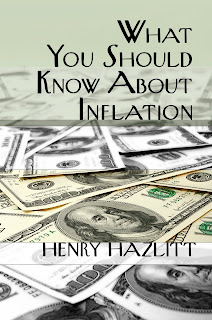
Defining inflation is the slow and on-going price increase of commodities, goods and services observed over a long period of time that reflects rising annual costs for manufactures and consumers. Inflation can be created using two different scenarios. On one hand we can use the quality theory of inflation to determine how inflation is created. On the other hand we can use the quantity theory of inflation to explain it.
To explain the quality theory of inflation we see it as founded upon the belief that a currency being used is acceptable and capable of being traded for goods and services, but also is beneficial to the buyer. However explaining how the quantity theory of inflation works is associated to the aspect of currency. This theory actually takes into account the currency’s supply and demand aspects as well as its nominal value of exchange.
Inflation will create many effects upon an economy both good and bad…
To explain the quality theory of inflation we see it as founded upon the belief that a currency being used is acceptable and capable of being traded for goods and services, but also is beneficial to the buyer. However explaining how the quantity theory of inflation works is associated to the aspect of currency. This theory actually takes into account the currency’s supply and demand aspects as well as its nominal value of exchange.
Inflation will create many effects upon an economy both good and bad…
Labels:
actual value,
commodities,
debt,
economy,
high inflation,
high prices,
hyperinflation,
inflation,
net loss,
society,
true value
|
0
comments
Sunday, April 15, 2012
Fed Up With The Fed? – Well You Should Be!
The Federal Reserve Act became law on December 23, 1913 by President Woodrow Wilson after the law was voted in by Congress. There were 12 central banks set up by the Federal Reserve situated across America. These banks formed a nationwide system used to enable assistance in the event crises were to develop in the future, within the American financial system.
During the Great Depression the single largest mistake made in recovery efforts was calling in substantial amounts of the currency by the Federal Reserve. The backlash from lack of available funds caused massive business shutdowns which resulted in massive unemployment across America...
Friday, March 9, 2012
Re-Examining - The Gold Standard
A sound monetary system is one in which a currency is backed by gold, at least a percentage or fixed weight of gold. This is different from the monetary system currently used in the United States and many other countries. Today, all national currencies are fiat currencies. Fiat currency is currency that has value only because of government regulation or law of which carries no intrinsic value of any kind.
At the time of the Great Depression, numerous countries went away from the gold standard since they had to pump money into their economies to stimulate growth. Having a gold standard would not allow them adequate economic flexibility. It is also true that there can actually be too much economic flexibility...
Subscribe to:
Posts (Atom)
About Me
- Unknown
Join Our Newsletter
Subscribe to our Free Newsletter, fill out the form below. Watch for our weekly newsletter updates.
Our strict privacy policy keeps your email address 100% safe & secure.
Powered by Blogger.

